SEC’s Peirce says crypto vaults and onchain lending may fall under securities laws
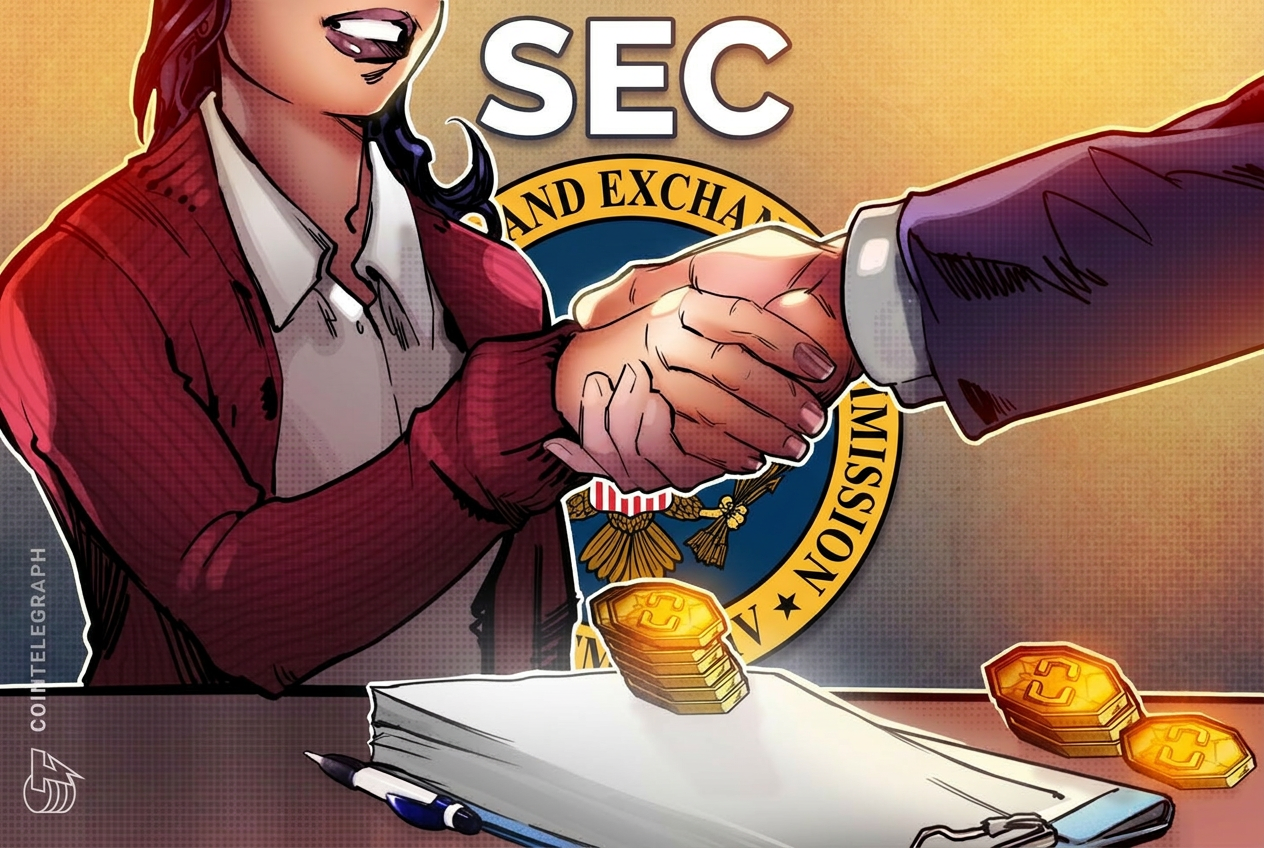
SEC Commissioner Hester Peirce said crypto vaults and onchain lending products may fall under US securities laws, urging developers to assess whether products that actively manage user assets require regulatory compliance.
In a statement published Wednesday, Peirce said crypto vaults and lending strategies that involve discretionary decisions, including allocating assets, selecting yield-generating activities, setting lending terms and determining liquidation thresholds, may fall within the scope of federal securities laws depending on their structure and operation.
She said some vaults could be treated as securities offerings or investment companies, while parties managing vault allocations or lending parameters could also trigger investment adviser requirements.
Peirce said that some onchain loans may also qualify as securities depending on how they are structured, distributed and used.
“Moving activities that fall within the scope of the federal securities laws onchain, as a general matter, does not take those activities outside the scope of the laws the Commission administers,” Peirce said.
Peirce urged developers and operators to consult the SEC if their products may fall within its jurisdiction and invited feedback on how existing rules could better accommodate onchain finance.
Related: SEC sues Mining Automatic and founder over alleged $22M crypto mining scheme
Crypto vaults grow as regulators scrutinize onchain yield products
Crypto vaults pool user assets into onchain strategies designed to generate yield through lending markets, staking or liquidity pools. Their use has expanded this year as companies package sophisticated DeFi strategies into products aimed at both retail and institutional investors.
In April, Sentora opened its Smart Yield platform to the public, allowing users to compare and access DeFi vaults based on strategy, yield and risk metrics. Earlier, Wallet in Telegram launched self-custodial Bitcoin (BTC), Ether (ETH) and USDT (USDT) vaults that provide automated yield generation without requiring users to transfer assets to a centralized custodian.
Kraken followed in May with a Bitcoin vault offering up to 2.5% variable APY by deploying wrapped Bitcoin across decentralized lending protocols including Aave and Morpho. Rewards are paid in Bitcoin and fluctuate based on borrowing demand in the underlying markets.
The products have also exposed users to technical risks. In December, decentralized finance protocol Yearn disclosed a roughly $9 million exploit affecting its legacy yETH yield vault, though the protocol said its V2 and V3 vaults were not effected.
If crypto vaults were to fall under federal securities laws, their operators could be required to register with the SEC or qualify for exemptions while complying with disclosure and other regulatory requirements.
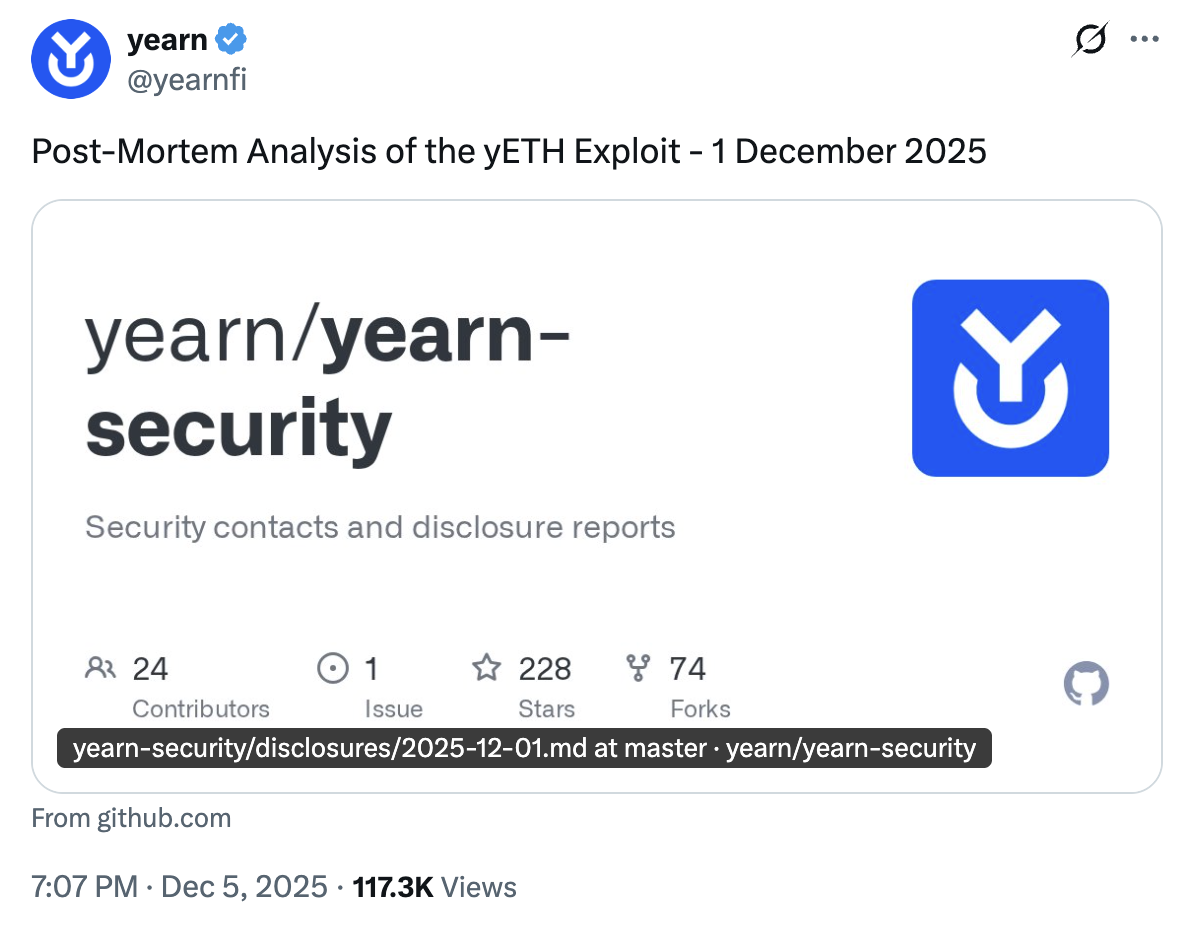
Source: Yearnfi
Magazine: The digital euro: Surveillance money, or a better alternative to cash?